

Table of Contents
ToggleHow Young Founders Are Building Million-Dollar Startups in 2026
A few years ago, starting a company felt almost impossible for normal people.

You needed funding.
You needed a big office.
You needed a full development team.
You needed investors.
And honestly, most people thought startups were only for “tech geniuses” living in Silicon Valley.
But now?
Everything changed.
Right now some of the fastest-growing startups are literally being built by young founders sitting in their bedrooms with just a laptop and internet connection.
And the crazy part is many of them are building profitable businesses faster than traditional companies.The startup world in 2026 is completely different from what it used to be.
Today you do not need a massive team to start.
You do not need crores in funding.
You do not even need months to launch an idea anymore.
AI tools, automation, cloud software, remote teams, and modern development systems made building startups much easier and much faster. That is exactly why we are seeing more young entrepreneurs launching:
- SaaS products
- AI tools
- automation platforms
- marketplaces
- niche apps
- subscription businesses
And some of these products are quietly making thousands of dollars every single month. The biggest difference now is speed. Earlier startups used to spend 1-2 years building products secretly before launching.
Now founders launch quickly.
Test quickly.
Fail quickly.
Improve quickly.
That is the new game.
Most smart founders today are not obsessed with building the “perfect” product. They are obsessed with solving a real problem first.
Because honestly execution matters more than ideas now.
There are thousands of good ideas on the internet.
But very few people actually execute properly.
And this is where many startups start realizing something important.
Even though AI made things easier, building a scalable product still requires proper development, good user experience, strong backend systems, automation, and clean architecture. That is why many modern startups work with experienced product and development teams like Growable Digital to move faster without wasting months figuring out technical problems alone.
The founders winning today are usually not the ones trying to do everything themselves.
They are the ones moving fast, validating ideas early, and building smart systems from day one.
Why This Generation of Founders Is Growing Faster Than Ever
One of the biggest reasons young founders are growing faster today is simple:
They have access to tools that older startups never had.
A few years ago, building software was expensive and slow.
Today?
A founder can validate an idea, design a product, build an MVP, launch marketing campaigns, automate workflows, and get users using AI tools alone.
That is insane if you really think about it.
Modern founders are using:
- ChatGPT for research and content
- AI coding tools for development
- automation platforms for operations
- social media for distribution
- remote teams for scaling
Everything became faster.
Even launching a SaaS product that used to take 8–12 months can now happen in weeks if the execution is right.
But there is another important shift happening.
Young founders today understand something older businesses ignored for years:
you do not need to look big to build a big business.
Most successful startups now start small.
Very small.
They focus on:
- one problem
- one niche
- one audience
- one strong solution
That simplicity is helping startups grow much faster.
Instead of building 50 features nobody asked for, smart founders launch lean products and improve based on real feedback.
And honestly, this approach works much better.
Because building random features does not grow startups.
Solving painful problems does.
Another reason founders are scaling faster now is because the internet gives everyone access to global customers instantly.
A small startup from India can now sell software to users in the US, UK, Dubai, Australia, or anywhere else without even opening an office there.
That opportunity did not exist at this level before.
And because competition is growing rapidly, many startups are now investing early into proper product development instead of relying only on cheap templates or basic no-code setups.
That is where custom software development becomes important.
As startups grow, they need:
- better scalability
- custom workflows
- automation
- integrations
- better performance
- unique user experiences
This is one reason why many fast-growing founders eventually partner with teams like Growable Digital to build products that can actually scale long term instead of rebuilding everything later.
The Biggest Difference Between Old Startups vs Modern Startups
The startup model completely changed.
Old startups used to focus heavily on raising money first.
Modern startups focus on building and validating first.
That is a massive difference.
Earlier founders believed:
“Let us raise funding first, then build.”
Now founders think:
“Let us prove people actually want this first.”
And honestly, that mindset is much smarter.
Because investors today care about traction.
Users care about value.
Nobody really cares how fancy the idea sounds anymore.
This is why modern startups move differently.
Old startup model:
- Huge teams
- Expensive offices
- Long development cycles
- Large investments
- Slow launches
Modern startup model:
- Lean teams
- Remote work
- AI-powered workflows
- Fast MVP launches
- Smaller operational costs
- Faster iterations
Young founders today are building smarter businesses instead of just bigger businesses.
And another interesting shift is happening: founders are no longer trying to hire massive in-house teams immediately.
Instead, many startups now work with specialized development partners that already understand startup execution.
This helps founders:
- Save time
- Reduce costs
- Launch faster
- Avoid technical mistakes
- Focus more on growth and marketing
Especially in SaaS and custom software development, this model is becoming extremely common now. Because when startups try to rush development with inexperienced teams, they usually end up rebuilding everything later. That wastes time and money.
This is why many founders now prefer working with experienced product development companies like Growable Digital that already understand how startup products should be built from day one. And honestly, speed is becoming one of the biggest advantages in business now. The companies launching fast, improving fast, and adapting fast are usually the ones growing the fastest.
The Exact Process Young Founders Follow Today
Most successful founders today are not randomly building products anymore.
They follow a process.
Not because someone taught them in business school. But because the internet already showed what works and what fails. And honestly, most successful startups today follow almost the same pattern.
Step 1: Finding a Real Problem
This is where most people fail.
Many beginners start with:
“I want to build a startup.”
But smart founders start with:
“What problem is actually painful enough for people to pay for?”
That one difference changes everything.Most successful SaaS products today came from solving annoying daily problems. And the easiest place to find those problems? The internet.
Young founders are constantly reading:
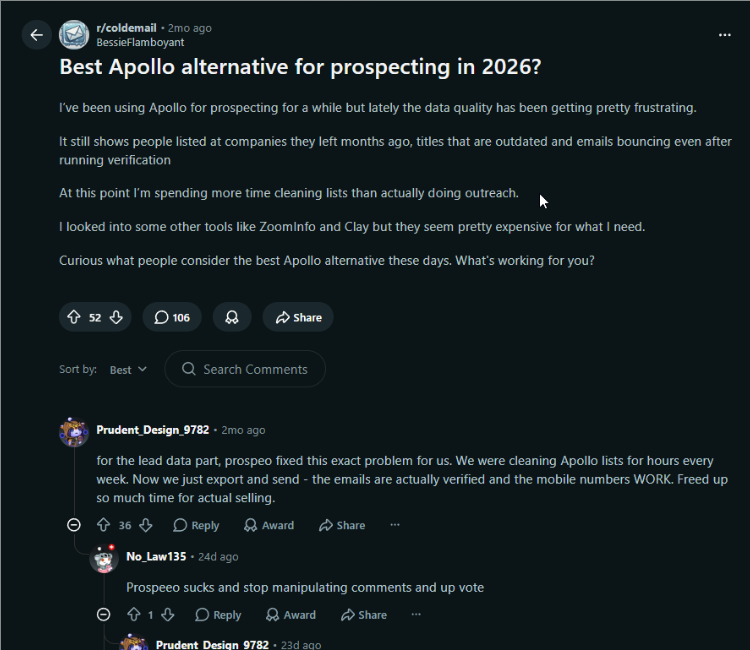
- Reddit discussions
Twitter/X conversations
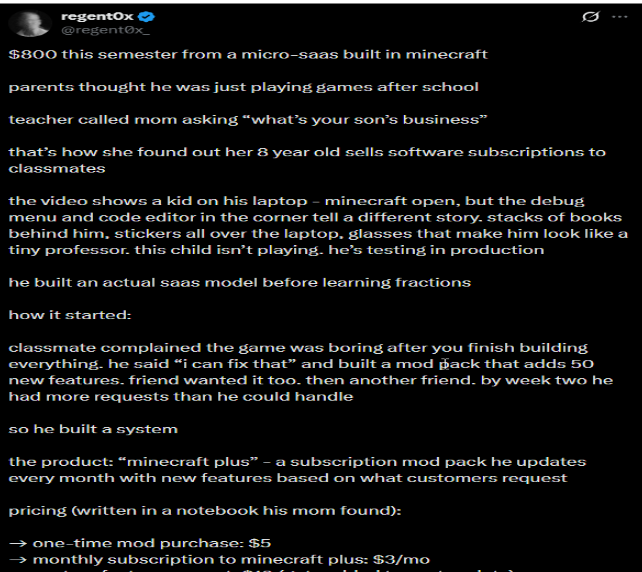
https://x.com/regent0x_/status/2053791051450605601?s=20
- YouTube comments

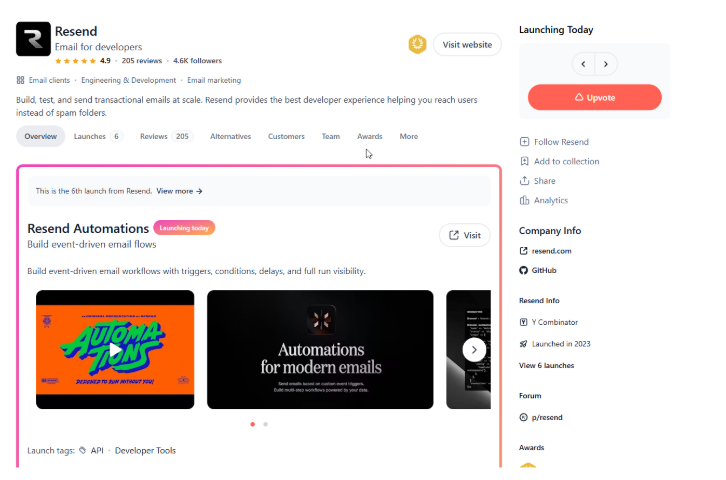
- Product Hunt launches
They look for repetitive pain points.
Because if thousands of people are complaining about something online, there is probably a business opportunity there.
Step 2: Validating the Idea Before Building
One of the smartest things modern founders do is validation.
Earlier startups used to spend months building products nobody wanted.
Now founders validate first.
They create:
- Landing pages
- Waitlists
- Demo videos
- Social posts
- Community discussions
And then they see if people actually care.
This saves massive amounts of time and money.
Because honestly, building software is not the hardest part anymore.
Building something people actually want is harder.
Step 3: Building an MVP Quickly
Once validation starts looking positive, founders move into MVP mode.
And this is where speed becomes critical. Modern founders are no longer spending years building “perfect” products.
They build simple versions first.
Launch early.
Collect feedback.
Improve continuously.
That approach works much better now because markets move fast. But there is one important thing many startups realize later: cheap shortcuts usually become expensive later.
A lot of founders start with random templates, rushed freelancers, or messy no-code systems. Then when users start growing, everything breaks. That is why many startups now focus on scalable MVP development from the beginning. And this is where experienced development companies like Growable Digital help founders build strong foundations instead of temporary solutions. Because rebuilding software later usually costs much more than building properly from the start.
How AI Is Helping Young Founders Build Faster
AI completely changed startup execution.
And honestly, we are still only seeing the beginning of it.
A few years ago, founders needed separate people for the following:
- Writing
- Coding
- Design
- Research
- Automation
- Customer support
Now AI tools are helping small teams do all of that much faster. But its not scalable
There will be a lot of bugs. AI can speed up execution, but it cannot replace proper product thinking.
A scalable product still needs:
- architecture
- security
- performance optimization
- clean UI/UX
- strong backend systems
That is why serious startups still rely on experienced software teams for long-term product development.
Why Custom Software Is Becoming More Important for Startups
Many startups begin using basic tools.
And honestly, that makes sense in the beginning.
But as businesses grow, generic platforms start creating limitations.
At first everything works fine.
Then suddenly founders realize:
- workflows are limited
- automation is difficult
- integrations break
- performance becomes slow
- customization becomes expensive
That is usually the point where startups move toward custom software solutions.
Because growing businesses eventually need systems built specifically for their operations.
Custom software helps startups:
- automate processes
- improve scalability
- create better user experiences
- reduce dependency on multiple tools
- improve operational efficiency
And in competitive markets, those advantages matter a lot.
This is why many startups eventually work with companies like Growable Digital to build scalable software tailored specifically to their business goals.
People Are Literally Building Small SaaS Products & Making Crazy Money
Honestly, one of the biggest reasons so many young founders are getting into SaaS right now is because people are openly sharing their results online.
A few years ago, nobody really knew what was happening behind startups.
Now?
You open X for 10 minutes, and suddenly you see:
- someone hitting $10k MRR
- someone building an AI tool in 30 days
- someone quitting their job after a SaaS launch
- someone getting their first 1,000 users
And the craziest part is many of these founders are not big companies.
Some are solo founders.
Some are tiny remote teams.
Some literally started as side projects.
That completely changed how people look at online businesses now.
Because earlier building software sounded complicated and impossible.
But now founders are publicly showing the entire journey.
- Building
- Failing
- Launching
- Improving
- Growing revenue
And honestly, this motivated a huge number of young people to start building products.
Most successful SaaS founders today are not trying to create the next billion-dollar unicorn immediately.
They build all this by outsourcing to companies like Growable Digital
Real SaaS Companies Making Serious Money
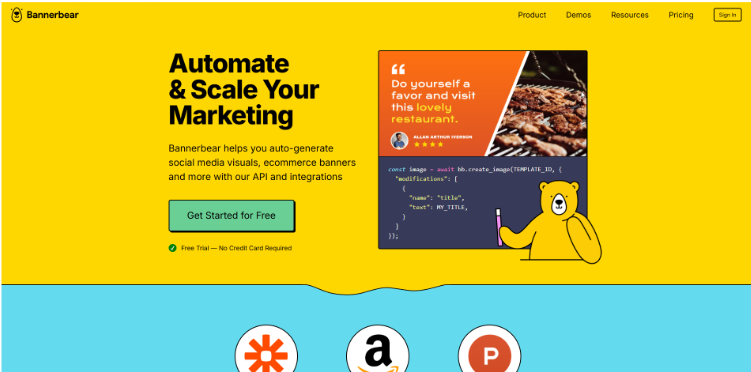
Bannerbear
What they do:
Bannerbear helps businesses automatically generate images and visuals using APIs.
Problem they solved:
Creating marketing visuals manually takes time. Bannerbear automated this completely, especially for startups and marketing teams.
Pricing:
Starts around $49 per month
Estimated Revenue:
Over $1 million annually
Source: https://www.bannerbear.com/journey-to-1-million-arr/
2. Rezi AI
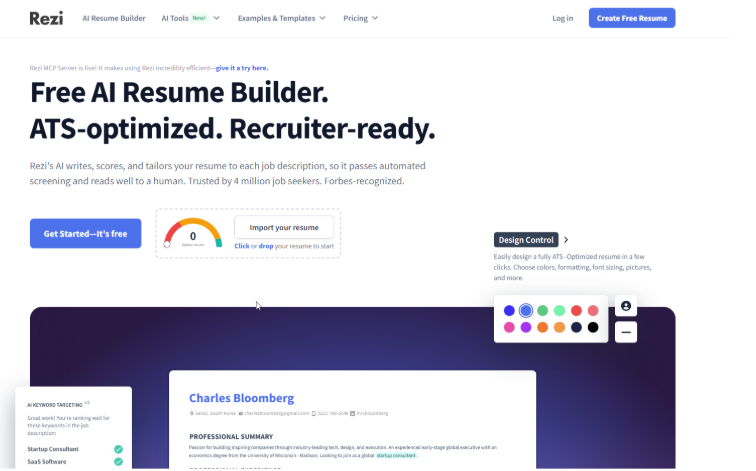
What they do:
Rezi AI helps people build professional resumes using AI. It guides users step by step and optimizes resumes to pass applicant tracking systems.
The problem they solved:
Writing a resume is stressful for most people.
They don’t know what to write, how to structure it, or how to make it stand out.
On top of that, most resumes get rejected by automated systems before a human even sees them.
Rezi solved this by:
- Giving AI-powered suggestions
- Structuring resumes properly
- Optimizing content for hiring systems
So instead of guessing, users get a resume that actually works.
Pricing:
They follow a subscription model with monthly and lifetime plans, making it accessible for job seekers at different levels.
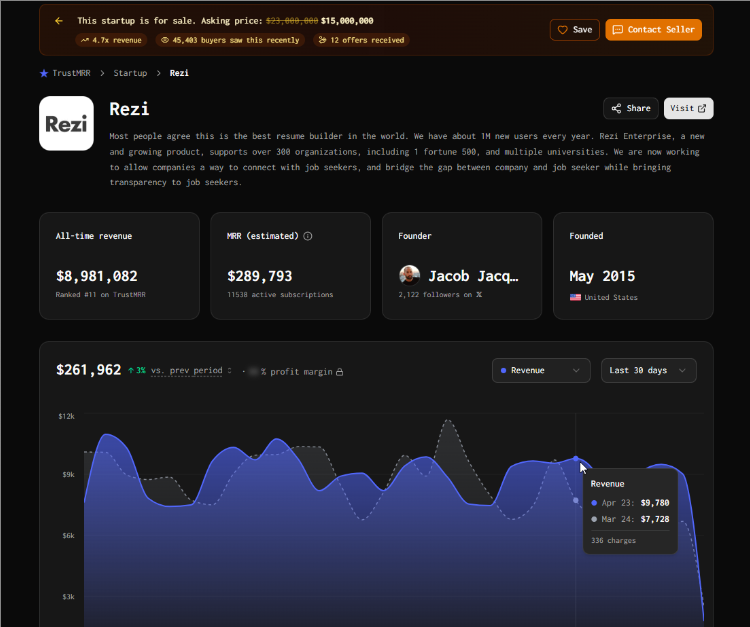
MRR (estimated)
$289,793
Source : https://trustmrr.com/startup/rezi
3 Gojiberry AI

What they actually do
Gojiberry AI helps businesses find high-intent leads and automate outreach instead of doing cold prospecting manually.
It uses AI to:
- Track buying signals (like job changes, funding, engagement, etc.)
- Identify people actively interested in your solution
- Automatically send personalized LinkedIn (and sometimes email) outreach
- Book demos and generate pipeline on autopilot
In simple terms:
It replaces random cold outreach with targeted, data-driven prospecting
The real problem they solved
Cold outreach is broken.
Businesses struggle with:
- Reaching the wrong people
- Low reply rates
- Spending hours on manual prospecting
- Scaling outbound without hiring more SDRs
Most tools give you lists of leads, but not buyers who are ready right now.
That’s the gap Gojiberry solves.
How Gojiberry AI solves it
Instead of blasting messages, Gojiberry:
- Tracks intent signals (like hiring, funding, engagement, competitor activity)
- Filters leads based on your Ideal Customer Profile (ICP)
- Uses AI to write personalized outreach messages
- Runs campaigns automatically on LinkedIn
- Continuously scores and prioritizes the best prospects
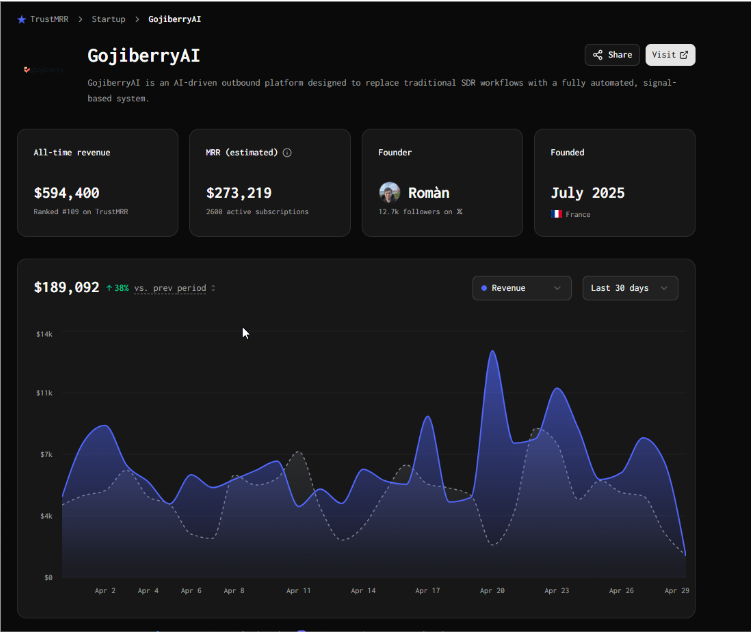
Source : https://trustmrr.com/startup/gojiberryai
4. Deal Sourcr
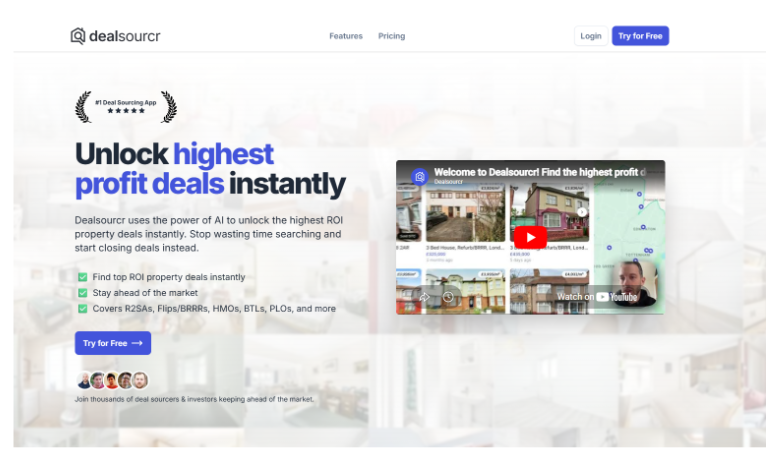
Now this one is a great example of how niche SaaS products can quietly generate serious revenue.
What they do:
Deal Sourcr is a platform that helps people find profitable business acquisition deals. It connects buyers with curated opportunities so they don’t have to search endlessly.
The problem they solved:
Finding good business deals is extremely time consuming.
People interested in buying businesses usually:
- Spend hours searching different platforms
- Struggle to find quality opportunities
- Miss out on good deals due to lack of access
Deal Sourcr simplified this by:
- Curating high quality deals
- Delivering them in a structured way
- Saving users massive amounts of time
Instead of searching everywhere, users get access to opportunities in one place.
Pricing:
They use a subscription model where users pay to access curated deal flow and insights.
Source: https://trustmrr.com/startup/dealsourcr-ltd
How These SaaS Companies Actually Make Money
Now let’s break this down in the simplest way possible.
Because once you understand this part, everything starts to click.
All the tools we just talked about, whether it is Rezi AI, Gojiberry AI, or Deal Sourcr, they are not doing anything magical.
They are just following a very simple model.
They charge people every month.
That’s it.
FAQs
1. How are young founders building startups so quickly today?
Young founders are using AI tools, automation, remote teams, and faster MVP development strategies to launch products much quicker than traditional startups.
2. Why are so many founders building SaaS products in 2026?
SaaS products generate recurring monthly revenue and can scale globally with smaller teams, which is why many founders are entering the SaaS space now.
3. Why do startups need custom software development?
As startups grow, they need scalable systems, automation, better performance, and custom workflows that generic tools usually cannot provide.
4. Do successful startups work with software development companies?
Yes, many startups work with experienced companies like Growable Digital to build scalable SaaS products and custom software solutions properly.
5. What is the biggest advantage modern startups have today?
Modern startups can launch faster using AI, cloud technology, automation, and global online distribution without needing huge teams or massive investments.