

Table of Contents
ToggleMVP Development Company: Complete Startup Guide to Building an MVP in 2026
Introduction
Startups don’t usually fail because the idea was terrible.
Most fail because they built too much, too early, for the wrong audience.
That’s still the biggest product mistake founders make in 2026.
A founder gets excited about a vision. The roadmap grows. Features pile up. Development stretches for months. The budget disappears. Then launch day comes and users barely care.
That’s exactly why the concept of an MVP matters more today than ever before.
Modern startups are operating in a market where users expect polished experiences quickly, AI is reshaping software expectations, and investors want traction before they want vision decks. According to startup research frequently referenced by organizations like Y Combinator and coverage from Forbes, validation speed has become one of the most important startup advantages.
The startups winning right now are not necessarily building the biggest products first.
They’re building the smartest first versions.
That’s where a strong MVP development company becomes incredibly valuable.
A modern startup MVP development company doesn’t just write code. It helps founders validate ideas, reduce waste, launch faster, and create scalable products without overbuilding from day one.
And honestly, that’s the difference between startups that learn quickly and startups that burn capital guessing.
This guide breaks down everything founders need to know about working with an MVP development company in 2026:
- what MVP development actually means
- how the process works
- realistic timelines and pricing
- common founder mistakes
- SaaS MVP trends
- AI-powered product validation
- why custom MVP development beats rushed no-code builds long term
- and how startup-focused agencies like Growable Digital help founders move from idea to scalable product
If you’re planning to build a SaaS platform, AI product, marketplace, mobile app, or startup software product this year, this guide will save you time, money, and probably several painful product mistakes.
What Is an MVP in Startup Development?
MVP stands for Minimum Viable Product. But that definition gets oversimplified all the time.
A real MVP is not a half-built product. It’s not a buggy beta. And it’s definitely not launching something ugly as fast as possible. A proper MVP is the smallest functional version of a product that solves one meaningful problem for one specific user group.
A proper MVP is the smallest functional version of a product that solves one meaningful problem for one specific user group. That’s it. The goal is simple: Learn before scaling.
An MVP helps startups validate the following:
- Market demand
- User behavior
- Pricing potential
- Retention
- Usability
- Business viability
without spending years building unnecessary features.
The smartest founders treat MVP development like a learning engine, not just a launch milestone.
Simple MVP Meaning for Founders
Think of an MVP as:
“The simplest version of your product that people are willing to use or pay for.”
That definition matters because startups often confuse “more features” with “more value.”
Users rarely care about feature quantity early on.
They care about:
- Solving one painful problem
- Speed
- Simplicity
- Usability
- Outcomes
That’s why successful MVP software development companies focus heavily on prioritization.
MVP vs Full Product
This is where many founders overspend.
An MVP focuses only on core functionality.
A full product includes:
- Advanced workflows
- Scaling systems
- Automation layers
- Extensive integrations
- Enterprise infrastructure
- Secondary features
- Edge-case handling
The difference is massive.
A startup product development company should help founders avoid building enterprise complexity before product-market fit exists.
Because early-stage startups usually don’t need:
- 40 integrations
- AI personalization engines
- complex analytics dashboards
- Multi-region architecture
- Advanced permissions systems
They need traction.
MVP vs Prototype
People mix these up constantly.
Prototype
A prototype demonstrates design or functionality.
It’s often:
- non-functional
- interactive visually
- used for testing concepts
MVP
An MVP is a working product users can actually use.
Prototypes answer:
“Can we visualize this?”
MVPs answer:
“Will people actually use or pay for this?”
Why Startups Should Build an MVP Before Full Product Development
Some founders still try to skip MVP development entirely.
Usually because they think:
- competitors will move faster
- investors expect polished products
- launching small looks weak
In reality, skipping MVP validation creates bigger risks.
A proper MVP reduces uncertainty dramatically.
1. Massive Cost Savings
This is probably the biggest advantage.
Building a full-scale software product before validation is incredibly expensive.
An experienced mvp product development company helps founders:
- prioritize features
- reduce technical waste
- validate assumptions early
- avoid rebuilding later
That matters because software costs compound quickly.
Every unnecessary feature:
- increases development time
- creates maintenance overhead
- adds future technical debt
Lean MVPs reduce all of that.
2. Faster Market Validation
Founders often spend 12–18 months building products nobody asked for.
An MVP helps answer critical questions quickly:
- Do users actually care?
- Will they pay?
- Which features matter most?
- Where do users get stuck?
- What should we cut?
Modern startups win through learning speed.
Not feature volume.
3. Better Investor Conversations
Investors in 2026 care heavily about validation.
Traction beats theory.
A startup with:
- active users
- retention metrics
- waitlists
- engagement data
- early revenue
is far more compelling than a polished pitch deck.
This is one reason startup software development strategies increasingly prioritize rapid MVP launches.
4. Reduced Product Risk
According to startup research frequently cited across the startup ecosystem, many startups fail because there’s no real market need.
An MVP minimizes that risk.
Instead of betting everything upfront, founders validate incrementally.
That’s simply smarter.
5. Faster Launch Cycles
The startup landscape moves fast.
Especially in:
- AI SaaS
- automation
- productivity
- vertical SaaS
- creator tools
- marketplaces
If your team spends 18 months building before feedback, competitors may already dominate the category.
MVP development services help founders move faster without sacrificing scalability.
How an MVP Development Company Helps Startups
A professional MVP app development company does far more than coding.
Good agencies operate like product partners.
That distinction matters.
Because startups usually need strategic guidance just as much as engineering execution.
Product Strategy
Many founders know the problem they want to solve.
Fewer know:
- which features to prioritize
- what users actually need first
- how to scope intelligently
- how to validate efficiently
A strong startup MVP development company helps shape:
- feature prioritization
- user journeys
- monetization thinking
- launch strategy
- technical architecture
That prevents expensive mistakes early.
Famous MVP Examples Startups Still Learn From
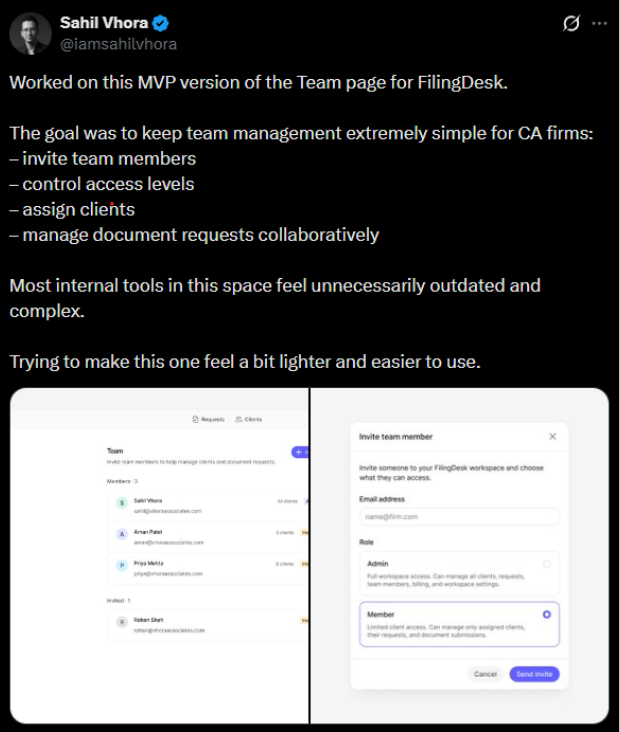
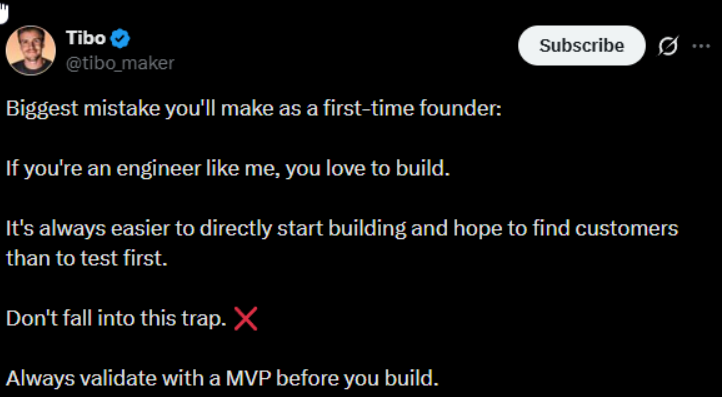
Source: https://x.com/tibo_maker/status/1754186848321130593?s=20
UI/UX Design
Poor UX kills MVP traction fast.
Modern users expect products to feel intuitive immediately.
Especially in SaaS.
An experienced MVP software development company focuses heavily on:
- onboarding simplicity
- usability
- interface clarity
- conversion-focused flows
- retention-friendly experiences
In 2026, users abandon confusing products quickly.
Reddit founder communities repeatedly discuss how user expectations have increased significantly with AI-driven software experiences.
Source: https://www.reddit.com/r/SaaS/comments/1qoa5u3/in_2026your_mvp_wont_get_users_anymore
Scalable Development
This is where inexperienced freelancers often struggle. A startup may only need a lean MVP today. But the architecture still needs scalability planning. Good software mvp development services balance the following:
- speed
- simplicity
- scalability
- maintainability
without overengineering. That balance is incredibly important.
Testing and QA
Founders often underestimate QA. But unstable MVPs damage trust quickly.
A startup app development company should help ensure:
- functionality works properly
- onboarding is smooth
- bugs are minimized
- performance remains stable
Users forgive missing features. They rarely forgive broken products.
Post-Launch Support
Launch is not the finish line.
It’s usually the beginning of actual learning.
Post-launch MVP support often includes:
- analytics tracking
- user feedback analysis
- feature iteration
- performance optimization
- scaling support
The best mvp development companies help founders evolve products based on real-world usage.
MVP Development Process Step by Step
Every startup product differs.
But strong MVP development services usually follow a similar structure.
1. Discovery and Research
This phase defines:
- target users
- market positioning
- competitors
- user pain points
- feature priorities
Skipping discovery is one of the fastest ways to waste a development budget.
Founders often want to jump directly into coding.
That’s usually a mistake.
2. Market Validation
Validation may include:
- landing pages
- waitlists
- user interviews
- surveys
- clickable prototypes
- manual workflows
In 2026, validation speed matters more than ever.
The best founders validate before fully committing to development.
Source: https://www.valtorian.com/blog/saas-mvp-development-trends-2026
3. Wireframing
Wireframes map user flows and interfaces before visual design starts.
This stage helps identify:
- UX issues
- navigation problems
- unnecessary complexity
before expensive engineering begins.
4. UI/UX Design
Now the product starts feeling real.
Good MVP UX focuses on:
- simplicity
- speed
- onboarding clarity
- friction reduction
Modern SaaS users expect polished experiences immediately.
Especially with AI-native products becoming more common.
Source: https://www.eugeniuses.com/en/articles/saas-development-trends-2026?
5. Development
Now engineering begins.
This usually includes:
- frontend development
- backend development
- APIs
- authentication
- databases
- integrations
A custom MVP development process should focus heavily on building only what matters initially.
That discipline is critical.
6. Testing and QA
Testing covers:
- bugs
- responsiveness
- usability
- speed
- security
- workflow stability
Even lean MVPs need reliability.
7. Launch
Launches today often happen in stages:
- beta users
- closed communities
- waitlist access
- soft launches
Founders gather data before scaling aggressively.
8. Iteration and Scaling
This is where real product development starts.
Post-launch data reveals:
- user behavior
- churn points
- retention patterns
- monetization insights
Great startups iterate continuously.
Types of MVPs Startups Build in 2026
Different startup models require different MVP approaches.
SaaS MVP Development
SaaS mvp development remains one of the biggest startup categories.
Typical SaaS MVPs include:
- subscription billing
- dashboards
- user authentication
- analytics
- automation workflows
AI-native SaaS is becoming increasingly common in 2026.
Source: https://www.eugeniuses.com/en/articles/saas-development-trends-2026?
AI MVP Development
AI startups are exploding right now.
AI MVPs commonly include:
- chat interfaces
- recommendation systems
- automation agents
- AI copilots
- workflow assistants
But founders often overcomplicate AI MVPs early.
The best AI MVPs focus on solving one clear problem exceptionally well.
Marketplace MVPs
Marketplace products require balancing:
- buyers
- sellers
- onboarding
- trust
- payments
Marketplace MVPs usually prioritize:
- liquidity
- core transactions
- onboarding simplicity
before advanced features.
Mobile App MVPs
Mobile MVPs focus heavily on:
- speed
- retention
- usability
- onboarding
- notifications
Especially for consumer startups.
Web App MVPs
Web app MVPs remain common because they:
- launch faster
- cost less initially
- simplify iteration
Many startups begin web-first before expanding into native apps.
MVP Development Cost in 2026
This is one of the biggest founder questions. And honestly, there’s no universal number. Because MVP costs depend heavily on:
- complexity
- integrations
- AI functionality
- design depth
- platform requirements
- architecture
Still, realistic ranges help.
Basic MVP
Typical range:
- $10,000–$30,000
Good for:
- simple web apps
- validation products
- early SaaS concepts
Mid-Level SaaS MVP
Typical range:
- $30,000–$80,000
Includes:
- scalable backend
- dashboards
- subscriptions
- APIs
- analytics
Complex AI or Marketplace MVP
Typical range:
- $80,000–$250,000+
Includes:
- AI integrations
- advanced workflows
- real-time systems
- complex architecture
Freelancer vs Agency Cost
Freelancers can reduce initial cost.
But founders often underestimate:
- management overhead
- quality inconsistency
- architecture issues
- missed deadlines
- scaling problems
An experienced startup product development company may cost more upfront but often saves money long term.
Hidden MVP Costs Founders Forget
This is where startup budgets get wrecked.
Hidden costs include:
- cloud hosting
- APIs
- maintenance
- QA
- analytics tools
- security
- scaling
- redesigns
- refactoring
Infrastructure costs have become more affordable for many startups thanks to modern cloud tooling and AI-assisted development workflows. But poor technical decisions still become expensive later.
Source: https://www.reddit.com/r/indianstartups/comments/
1srgbim/my_mvp_runs_on_3900month_2026_survey_says
How Long Does MVP Development Take?
Another major founder question.
Realistically:
Simple MVP
4–8 weeks
Standard SaaS MVP
2–4 months
Complex AI MVP
4–8 months
Timelines depend heavily on:
- scope clarity
- founder responsiveness
- feature prioritization
- integrations
- technical complexity
The biggest timeline killer?
Feature creep.
Founders continuously adding “small” features can easily double timelines.
MVP Development Company vs Freelancers vs In-House Team
This decision matters a lot.
Here’s the realistic comparison.
Factor | MVP Development Company | Freelancers | In-House Team |
Speed | Fast | Moderate | Slow hiring |
Product Strategy | Strong | Limited | Depends |
Scalability | High | Variable | High |
Cost | Medium | Lower upfront | Highest |
Management Overhead | Low | High | High |
Reliability | Higher | Variable | High |
Design + Dev Combined | Yes | Often fragmented | Requires hiring |
Startup Expertise | Usually strong | Mixed | Depends |
When Freelancers Make Sense
Freelancers work well for:
- prototypes
- very lean budgets
- small feature builds
But they often struggle with:
- architecture planning
- scaling
- long-term product evolution
When In-House Teams Make Sense
In-house teams become valuable later when:
- product-market fit exists
- funding is secured
- scaling becomes priority
But early-stage startups usually move slower when hiring internally.
Why Many Startups Choose MVP Development Companies
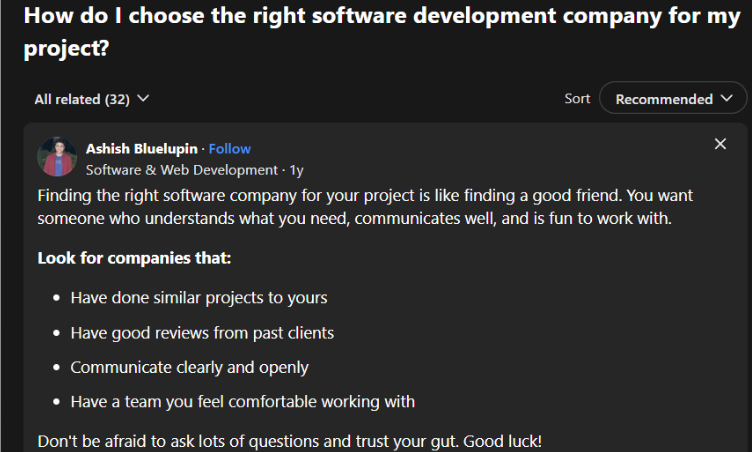
A strong MVP development company offers the following:
- speed
- product thinking
- cross-functional expertise
- startup experience
- scalable systems
Check this post: https://www.reddit.com/r/startups/comments/1b748j3/
what_should_i_take_into_consideration_when_i_need/
That’s incredibly valuable early.
Why Custom MVP Development Is Better Than No-Code Long Term
No-code tools exploded recently.
And honestly, they’re useful for some scenarios.
Especially:
- prototypes
- internal tools
- validation pages
But long term?
Many startups outgrow them.
Common No-Code Limitations
Scalability Issues
As usage grows, performance problems emerge.
Customization Constraints
Complex workflows become difficult.
Technical Debt
Rebuilding later becomes expensive.
Vendor Dependency
Platform limitations control product flexibility.
Integration Challenges
Advanced APIs and custom systems become harder.
Gartner and broader SaaS trend analysis increasingly point toward hybrid approaches where rapid prototyping combines with scalable custom architecture.
That’s why custom mvp development remains critical for serious SaaS startups.
Why Many Startups Are Getting Fooled by No-Code Tools and “Vibe Coding”
No-code platforms are being marketed like a startup cheat code right now.
Build faster. Launch in days. Replace developers. Scale without engineering.
And honestly, that messaging is fooling a lot of founders.
Especially first-time entrepreneurs who are trying to move quickly with limited budgets.
At first, no-code tools feel incredible. You can drag, drop, automate workflows, connect APIs, and launch something that looks like a real SaaS product surprisingly fast. That early speed creates the illusion that building software is now easy forever.
But the real problems usually show up later.
Way later.
Most startups don’t fail during the “build something quickly” stage. They fail when the product actually starts growing and the foundation cannot handle real-world demands.
That’s where many no-code products begin breaking down.
A founder launches a simple MVP using a no-code builder. Users start signing up. More features get added. Workflows become more complicated. The database grows. Integrations stack up. Suddenly the platform becomes slow, messy, expensive, and difficult to maintain.
Now the startup has a bigger problem:
they built their business on top of limitations they don’t control.
That’s one of the biggest hidden dangers of no-code tools.
You’re not truly building your own product infrastructure.
You’re renting someone else’s system and hoping it can support your future business model.
And in many cases, it can’t.
Customization becomes restrictive fast. Complex backend logic becomes painful. Scalability issues start appearing. Performance optimization becomes limited. Security flexibility shrinks. Advanced AI workflows become difficult to implement properly. And eventually founders realize they’ve outgrown the platform much earlier than expected.
The worst part?
Many startups end up rebuilding the entire product from scratch anyway.
Which means:
- double development costs
- wasted time
- technical migration headaches
- user disruption
- scalability issues
- lost momentum
“Vibe coding” creates another layer of problems.
Right now, there’s a growing trend where people use AI coding tools to rapidly generate products without proper software engineering practices. The product looks functional on the surface, but underneath, the architecture is often chaotic.
There’s little planning around:
- scalability
- maintainability
- testing
- security
- technical debt
- infrastructure
- database optimization
The result is usually fragile software held together by shortcuts.
And shortcuts compound fast in software.
A product may survive with 50 users.
It may completely collapse with 5,000.
That’s why experienced founders and serious startup investors still value strong engineering fundamentals even in the AI era. Speed matters, but sustainable scalability matters more.
No-code tools absolutely have their place.
They’re useful for:
- prototypes
- internal tools
- temporary validation
- quick experiments
- landing pages
- early workflow testing
But founders building serious SaaS startups, AI products, marketplaces, or scalable software companies eventually need custom product architecture they actually own and control.
Because building fast is only valuable if the product can survive growth later.
Why Smart Startups Eventually Move Beyond White-Label Software
White-label software has exploded over the last few years because it looks like the fastest path to launching a “software company” without actually building software.
And honestly, that’s exactly how it gets marketed.
Buy a prebuilt platform. Add your logo. Resell subscriptions. Start charging clients immediately.
For some businesses, especially agencies testing a service model, white-label products can absolutely help generate early revenue faster. They reduce launch friction and remove the initial development burden.
But here’s the problem most founders discover later:
You don’t actually control the product.
You’re building a business on top of someone else’s infrastructure, roadmap, limitations, pricing, and long-term decisions.
That becomes dangerous the moment your business starts growing.
At first, white-label platforms feel convenient because everything is already built. But over time, startups begin running into the same problems repeatedly:
- limited customization
- weak scalability
- generic user experiences
- restricted integrations
- dependency on third-party pricing
- feature limitations
- poor differentiation
- lack of true ownership
And in crowded SaaS markets, differentiation is everything.
If 200 companies are reselling the exact same white-label platform with different logos, competing becomes incredibly difficult. Eventually the business turns into a pricing war because the actual product itself is no longer unique.
That’s why serious SaaS founders eventually transition toward custom software development.
Custom software gives startups:
- complete product ownership
- scalable architecture
- unique workflows
- stronger branding
- better performance optimization
- custom AI integrations
- flexibility for future growth
- competitive differentiation
Most importantly, custom products create actual long-term business value.
You’re not just renting software anymore.
You’re building a real technology asset.
This becomes even more important in 2026 as AI-native SaaS products continue evolving rapidly. Startups need flexibility to innovate quickly, experiment with automation, integrate AI workflows, and adapt products based on user behavior. White-label systems often struggle badly with that level of customization.
A lot of founders also underestimate the hidden business risk behind white-label dependency. If the provider changes pricing, removes features, experiences downtime, gets acquired, or shuts down entirely, your entire business becomes vulnerable overnight.
That’s a massive risk for any startup trying to scale seriously.
The smarter approach for many founders is using white-label software strategically in the beginning if needed, while planning for long-term custom product development as the business matures.
Because quick launch speed matters.
But ownership, scalability, and product control matter far more long-term.
If you want a deeper breakdown of the pros, cons, risks, scalability limitations, and business realities behind white-label platforms, Growable Digital also published a detailed guide on white-label software to resell in 2026 that explores where white-label works well and where it quietly limits startup growth later.
Common MVP Development Mistakes Startups Make
Most startup product mistakes are predictable.
Which is good news.
Because predictable mistakes can be avoided.
1. Building Too Many Features
This is the biggest mistake.
Founders assume:
“More features = more value.”
Usually the opposite happens.
Complexity kills usability.
The best MVPs feel focused.
2. Skipping Validation
Many startups build based on assumptions.
Without:
- interviews
- market testing
- user feedback
- demand validation
That’s risky.
Validation should happen before major engineering investment.
3. Hiring the Cheapest Developers
Cheap development often becomes expensive later.
Poor architecture creates:
- bugs
- slow scaling
- rebuild costs
- technical debt
Hiring experienced MVP developers matters.
4. Ignoring UX
Users judge products quickly.
Confusing onboarding destroys retention.
Especially now that AI-driven products have increased expectations around usability.
5. No Scalability Planning
Even lean MVPs need scalable foundations.
Not enterprise overengineering.
Just smart architecture decisions.
6. Building Without Analytics
Founders need data.
Without analytics, startups guess instead of learn.
That’s dangerous.
How to Validate a Startup Idea Before MVP Development
One of the biggest startup mistakes founders make is assuming that having an idea automatically means there’s a market for it.
There usually isn’t.
At least not in the way founders initially imagine.
A lot of startups spend months building products before discovering something painful:
users simply don’t care enough.
That’s why validation matters so much before MVP development even begins.
The smartest startups in 2026 are not blindly building first.
They’re validating aggressively before committing serious development budgets.
And honestly, this is where many founders save themselves from burning huge amounts of time and money.
Customer Interviews Still Matter More Than Most Founders Think
Founders often skip customer interviews because they want to move fast.
But direct conversations reveal things analytics never will.
Good interviews uncover:
- real pain points
- buying behavior
- workflow frustrations
- competitor weaknesses
- pricing sensitivity
- emotional motivations
Most founders enter interviews trying to pitch their idea.
That’s usually the wrong approach.
The goal is understanding problems, not validating your ego.
Strong startup founders ask questions like:
- How are you solving this today?
- What’s frustrating about your current workflow?
- What tools are you already paying for?
- What would make you switch?
- How much is this problem actually costing you?
The more painful the problem, the stronger the MVP opportunity.
Landing Pages Are One of the Fastest Validation Tools
A simple landing page can reveal a surprising amount about market demand.
Before building a full SaaS product, many startups now test:
- messaging
- positioning
- pricing
- waitlist interest
- signup conversion rates
This is especially powerful for SaaS MVP development.
Instead of spending months building features, founders can validate whether users even care about the core value proposition first.
Strong validation landing pages usually include:
- a clear problem statement
- outcome-focused messaging
- simple product visuals
- signup forms
- waitlists
- early access incentives
Traffic can come from:
- Product Hunt
- X/Twitter
- founder communities
- niche forums
- paid ads
If nobody signs up, that feedback matters.
It’s better discovering weak demand early than after spending $80,000 on development.
Why Waitlists Matter More Than Vanity Metrics
A lot of founders obsess over likes, comments, and social engagement.
But waitlists reveal actual buying intent.
If users willingly give you:
- emails
- feedback
- onboarding calls
- demo requests
- deposits
That’s far stronger validation.
Some founders even pre-sell before development begins.
That changes everything.
Because now the startup has:
- proof of demand
- real users
- validation data
- early momentum
- investor credibility
This dramatically reduces MVP risk.
Competitor Research Helps Avoid Expensive Mistakes
Some founders think competitors are bad.
Usually competitors are validation.
If people are already paying for solutions in your market, that means demand exists.
The real question becomes:
What can your startup do better?
Good startup validation includes analyzing the following:
- competitor pricing
- onboarding
- reviews
- user complaints
- feature gaps
- positioning weaknesses
One of the best places to research competitors today is actually Reddit.
Users openly discuss:
- frustrations
- churn reasons
- missing features
- pricing complaints
- support problems
Those conversations are gold for startup founders.
Fake Door Testing Is Becoming More Common in 2026
A fake door test validates interest before full product development.
Example:
- users click a feature
- sign up for access
- request demos
- join a waitlist
before the feature fully exists.
This sounds strange at first.
But it’s one of the fastest ways to measure real demand.
Especially for AI SaaS startups.
Instead of guessing what users want, founders gather behavioral data first.
That’s much smarter than blindly building.
The Best MVPs Start With Painful Problems
The strongest startup opportunities usually solve:
- expensive problems
- repetitive workflows
- time-consuming tasks
- revenue bottlenecks
- operational inefficiencies
The bigger the pain point, the easier it becomes to:
- acquire users
- generate revenue
- improve retention
- scale organically
This is why startup validation matters so much before development.
Because coding the wrong idea faster still produces the wrong outcome.
Best Tech Stack for MVP Development in 2026
Founders love asking about tech stacks.
Honestly, sometimes too much.
A lot of early-stage startups become obsessed with choosing the “perfect” technology before validating whether users even want the product.
That’s backwards.
The best MVP tech stack is usually the one that:
- launches quickly
- scales reasonably well
- supports iteration
- reduces complexity
- fits the product requirements
Not the trendiest framework on X.
React and Next.js Continue Dominating SaaS MVPs
React remains one of the most popular frontend frameworks for startup products.
Combined with Next.js, founders get:
- fast performance
- SEO benefits
- scalability
- strong developer ecosystem
- rapid iteration speed
For SaaS MVP development, this combination works extremely well.
Especially for:
- dashboards
- marketplaces
- AI platforms
- startup web applications
- B2B SaaS products
Node.js Remains Popular for Startup Backends
Node.js continues dominating MVP backend development because it allows:
- fast development cycles
- scalable APIs
- real-time functionality
- efficient JavaScript ecosystems
For startups trying to move quickly, development speed matters a lot.
That’s one reason many MVP development companies still rely heavily on Node.js stacks.
Python Is Exploding Because of AI
Python has become even more important because of AI startup growth.
AI SaaS startups commonly use Python for:
- machine learning
- AI agents
- automation
- data processing
- LLM integrations
The rise of AI-native SaaS products is making Python one of the most valuable startup technologies in 2026.
Supabase and Firebase Simplify MVP Development
Modern backend tools have dramatically accelerated startup development.
Platforms like Supabase and Firebase help founders launch faster by simplifying:
- authentication
- databases
- storage
- APIs
- real-time functionality
These tools are especially useful during early MVP stages.
They reduce development overhead significantly.
AWS, Vercel, and Cloud Scalability Matter More Than Ever
Cloud infrastructure decisions impact:
- scalability
- performance
- reliability
- future costs
AWS remains one of the most common cloud providers for scalable SaaS products.
Meanwhile, Vercel has become extremely popular for modern frontend deployment workflows.
The best startup software development companies balance:
- launch speed
- cloud efficiency
- long-term scalability
without overengineering.
Founders Should Stop Overthinking Tech Stacks Early
This is important.
Most startup failures are not caused by choosing React instead of Vue.
They fail because:
- users don’t care
- positioning is weak
- onboarding is confusing
- retention is poor
- validation never happened
Technology matters.
But product-market fit matters far more.
The smartest founders prioritize:
- validation
- speed
- learning
- iteration
before obsessing over technical perfection.
How AI Is Completely Changing MVP Development
AI is reshaping startup development faster than most founders expected.
Not just products themselves.
The entire way startups build software is changing.
In 2026, startups can:
- prototype faster
- automate repetitive coding
- accelerate research
- generate interfaces
- speed up testing
- improve workflows
at a level that would have seemed unrealistic a few years ago.
But there’s an important distinction founders need to understand:
AI speeds up execution.
It does not replace product thinking.
That difference matters massively.
AI Coding Tools Are Accelerating Development Cycles
Modern AI coding assistants help developers:
- generate boilerplate code
- debug faster
- automate repetitive tasks
- speed up documentation
- prototype interfaces rapidly
This allows startup MVP development teams to move significantly faster.
Smaller teams can now accomplish far more than traditional startups could previously.
That’s one reason lean startup teams are becoming increasingly powerful.
AI Is Making MVP Validation Faster
Founders can now use AI for:
- market research
- customer analysis
- survey insights
- onboarding optimization
- copywriting
- user support
- data interpretation
This dramatically improves validation speed.
Startups can learn faster than ever.
And in modern SaaS markets, learning speed is becoming one of the biggest competitive advantages.
AI-Native SaaS Products Are Becoming the New Standard
Many startups launching today are AI-first from the beginning.
Products increasingly include:
- AI assistants
- automation agents
- workflow copilots
- predictive systems
- AI search functionality
- intelligent recommendations
This is changing user expectations rapidly.
People now expect software to feel:
- smarter
- faster
- personalized
- automated
- context-aware
That shift is influencing nearly every SaaS category.
Why AI Cannot Replace Experienced Product Teams
There’s a growing belief online that AI can now fully replace software engineers.
That’s heavily exaggerated.
AI still struggles with:
- architecture planning
- scalability decisions
- complex backend systems
- infrastructure strategy
- UX thinking
- product prioritization
- security planning
- long-term maintainability
The startups succeeding with AI are not removing product thinking.
They’re enhancing strong teams with AI acceleration.
That’s a huge difference.
Founders Still Need Strategic Product Thinking
This is where experienced MVP development companies remain valuable.
Because building software isn’t just about generating code.
It’s about:
- solving the right problem
- validating demand
- reducing friction
- improving retention
- scaling intelligently
- creating sustainable products
AI helps accelerate execution.
But strategy still wins startups.
How to Choose the Right MVP Development Company
Choosing the wrong development partner can quietly destroy a startup.
And honestly, many founders don’t realize this until it’s too late.
A weak development partner creates:
- delays
- poor architecture
- technical debt
- communication problems
- missed deadlines
- rebuilding costs
The cheapest option often becomes the most expensive long term.
That’s why founders need to evaluate MVP development companies carefully.
Look for Startup Experience, Not Just Engineering Skill
Building startup products is very different from enterprise development.
Startups require:
- speed
- prioritization
- lean execution
- validation thinking
- flexibility
A strong startup MVP development company understands uncertainty.
That’s critical.
Review Their Product Thinking
Good agencies don’t just say yes to everything.
They challenge unnecessary complexity.
They help founders:
- reduce scope
- prioritize features
- simplify workflows
- validate faster
That’s valuable.
Because founders often try to build too much initially.
Communication Quality Matters More Than Most Founders Expect
Poor communication destroys projects quickly.
Founders should evaluate:
- responsiveness
- transparency
- planning structure
- documentation
- project visibility
The best product teams feel collaborative.
Not transactional.
Scalability Expertise Is Extremely Important
An MVP should launch lean.
But it still needs scalable architecture underneath.
That doesn’t mean overengineering.
It means making smart technical decisions early so startups avoid expensive rebuilds later.
Ask About Long-Term Support
A lot of founders think development ends at launch.
Actually, launch is where real learning begins.
Good MVP development companies support:
- iteration
- analytics
- scaling
- optimization
- ongoing feature development
That long-term partnership matters.
Especially for SaaS startups.
Real Startup MVP Success Stories Founders Still Learn From
The startup world loves overnight success stories.
But most successful companies started much smaller than people realize.
And that’s exactly why MVP thinking works.
Airbnb Started With Air Mattresses
Airbnb didn’t begin as a global travel platform.
The founders initially rented out air mattresses in their apartment during a conference.
That was the MVP.
Simple validation.
No massive platform.
No enterprise architecture.
Just proving demand first.
Dropbox Validated Before Building Fully
Dropbox famously validated interest using a simple explainer video.
Before building massive infrastructure.
That helped measure demand before heavy engineering investment.
A powerful lesson for startups.
Uber Started in One City
Uber didn’t launch globally.
It started with a narrow use case in a single market.
That focused approach helped validate behavior before scaling.
Many founders try to scale too broadly too early.
That creates unnecessary complexity.
Instagram Began as a Simpler Product
Instagram originally launched with a much narrower feature set.
The startup focused heavily on one thing:
making photo sharing easy.
That simplicity helped drive rapid adoption.
The Biggest Startup Lesson From These MVPs
None of these companies launched with giant feature-heavy products.
They launched, focused.
That’s the real MVP advantage.
Start small.
Learn fast.
Scale intelligently.
Real SaaS Companies Making Serious Money
Now let’s make this real for a second.
This is not theory. These are actual SaaS companies that started small, solved a clear problem, and now generate massive recurring revenue.
1. Notion
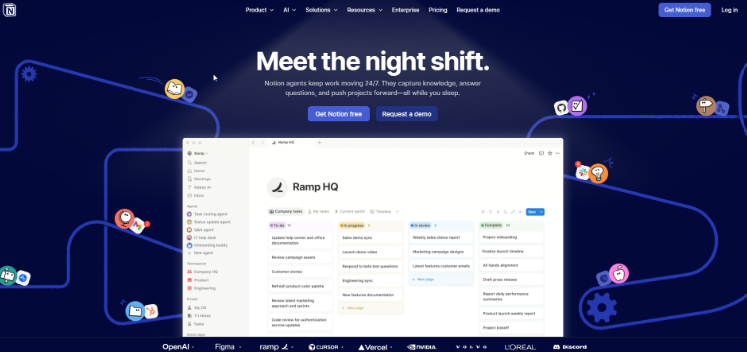
Notion started as a simple productivity and note-taking tool.
What they do:
They help individuals and teams organize everything in one place. Notes, tasks, databases, docs, all combined.
Problem they solved:
People were tired of switching between multiple tools for notes, tasks, and collaboration. Notion combined everything into one clean system.
Pricing:
Free plan available
Paid plans start around $10 per month per user
Estimated Annual Revenue:
Over $300 million annually
Source:
https://www.businessofapps.com/data/notion-statistics/
2. Shopify
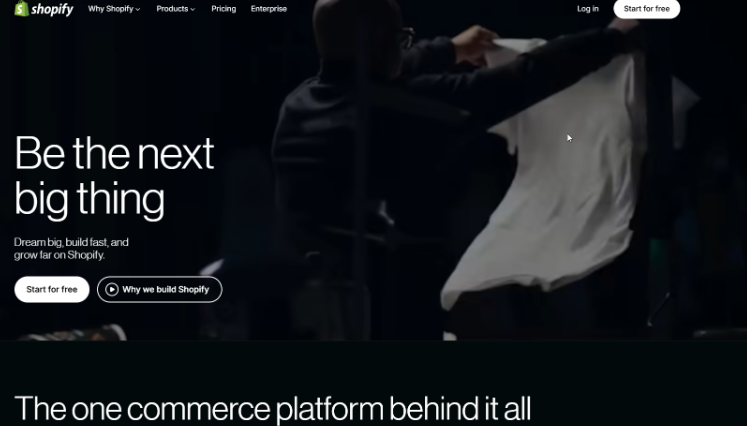
Shopify is one of the biggest e-commerce SaaS platforms in the world.
What they do:
They allow anyone to create an online store without needing technical skills.
Problem they solved:
Building an e-commerce website used to be complicated and expensive. Shopify made it simple and accessible.
Pricing:
Starts at around $39 per month
Annual Revenue:
Over $7 billion annually
Source:
https://www.shopify.com/news/shopify-earnings
3. Bannerbear
What they do:
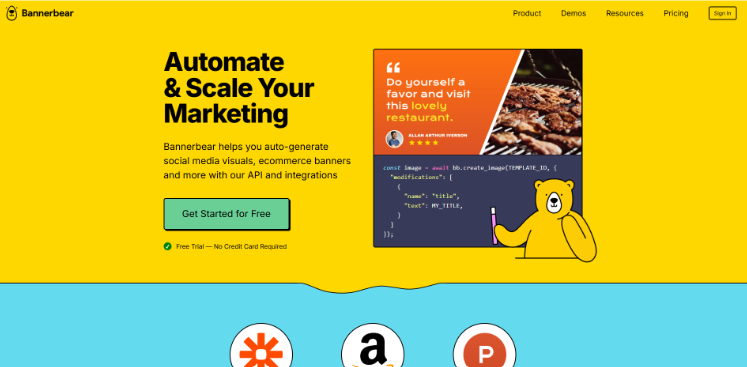
Bannerbear helps businesses automatically generate images and visuals using APIs.
Problem they solved:
Creating marketing visuals manually takes time. Bannerbear automated this completely, especially for startups and marketing teams.
Pricing:
Starts around $49 per month
Estimated Revenue:
Over $1 million annually
Source: https://www.bannerbear.com/journey-to-1-million-arr/
4. Rezi AI
What they do:
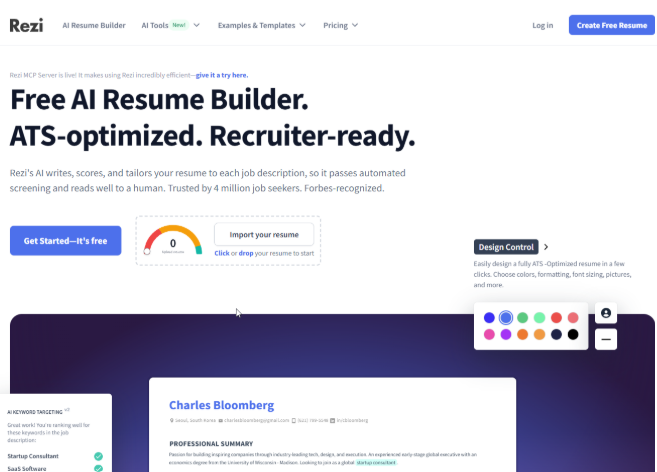
Rezi AI helps people build professional resumes using AI. It guides users step by step and optimizes resumes to pass applicant tracking systems.
The problem they solved:
Writing a resume is stressful for most people.
They don’t know what to write, how to structure it, or how to make it stand out.
On top of that, most resumes get rejected by automated systems before a human even sees them.
Rezi solved this by:
- Giving AI-powered suggestions
- Structuring resumes properly
- Optimizing content for hiring systems
So instead of guessing, users get a resume that actually works.
Pricing:
They follow a subscription model with monthly and lifetime plans, making it accessible for job seekers at different levels.
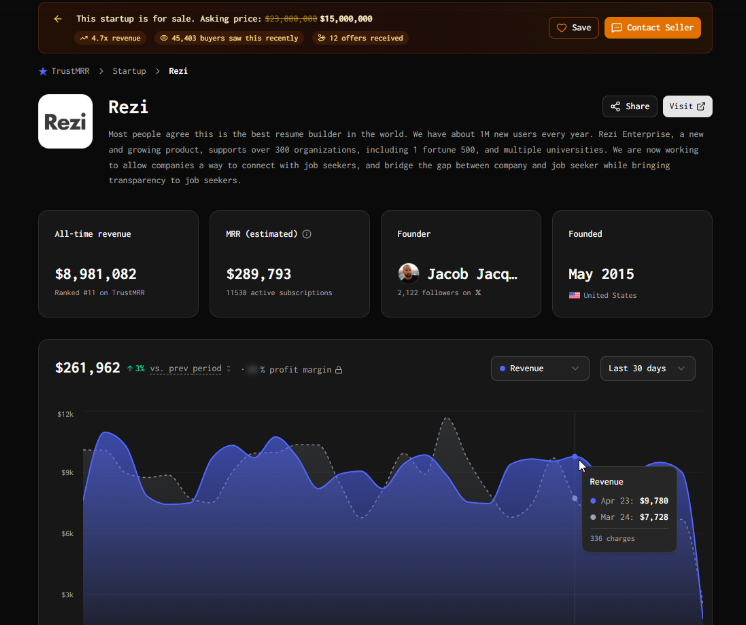
MRR (estimated)
$289,793
Source : https://trustmrr.com/startup/rezi
5. Gojiberry AI
What they actually do
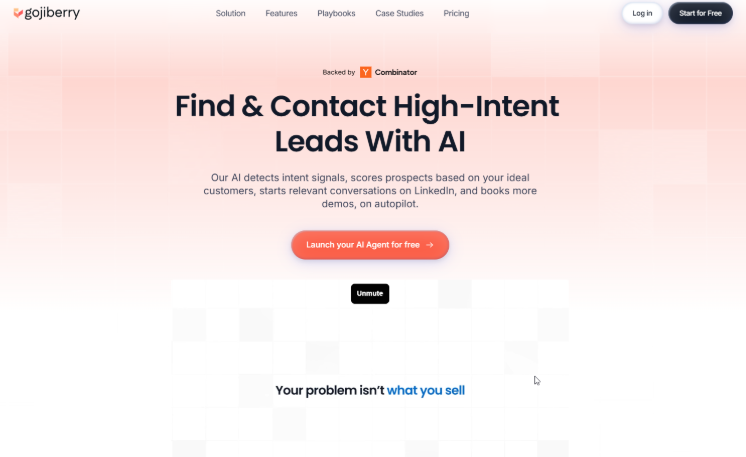
Gojiberry AI helps businesses find high-intent leads and automate outreach instead of doing cold prospecting manually.
It uses AI to:
- Track buying signals (like job changes, funding, engagement, etc.)
- Identify people actively interested in your solution
- Automatically send personalized LinkedIn (and sometimes email) outreach
- Book demos and generate pipeline on autopilot
In simple terms:
It replaces random cold outreach with targeted, data-driven prospecting
The real problem they solved
Cold outreach is broken.
Businesses struggle with:
- Reaching the wrong people
- Low reply rates
- Spending hours on manual prospecting
- Scaling outbound without hiring more SDRs
Most tools give you lists of leads, but not buyers who are ready right now.
That’s the gap Gojiberry solves.
How Gojiberry AI solves it
Instead of blasting messages, Gojiberry:
- Tracks intent signals (like hiring, funding, engagement, competitor activity)
- Filters leads based on your Ideal Customer Profile (ICP)
- Uses AI to write personalized outreach messages
- Runs campaigns automatically on LinkedIn
- Continuously scores and prioritizes the best prospects
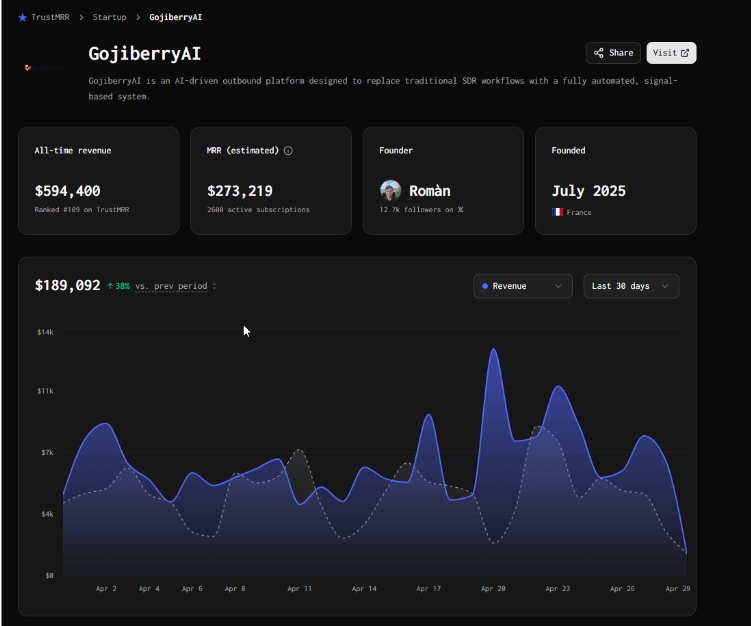
Source : https://trustmrr.com/startup/gojiberryai
6. Deal Sourcr
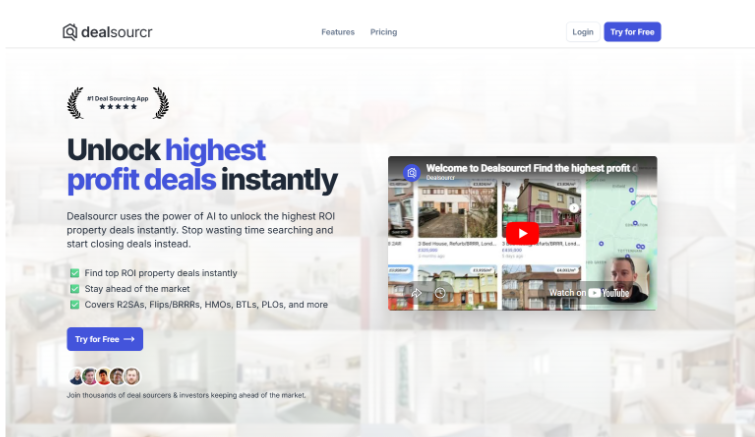
Now this one is a great example of how niche SaaS products can quietly generate serious revenue.
What they do:
Deal Sourcr is a platform that helps people find profitable business acquisition deals. It connects buyers with curated opportunities so they don’t have to search endlessly.
The problem they solved:
Finding good business deals is extremely time consuming.
People interested in buying businesses usually:
- Spend hours searching different platforms
- Struggle to find quality opportunities
- Miss out on good deals due to lack of access
Deal Sourcr simplified this by:
- Curating high quality deals
- Delivering them in a structured way
- Saving users massive amounts of time
Instead of searching everywhere, users get access to opportunities in one place.
Pricing:
They use a subscription model where users pay to access curated deal flow and insights.
Source: https://trustmrr.com/startup/dealsourcr-ltd
Why Startups Choose Growable Digital
There are plenty of MVP development companies out there.
But startup founders usually need more than developers.
They need a product-focused technical partner.
That’s where Growable Digital approaches things differently.
Startup-Focused Product Thinking
Growable Digital works with startups differently than traditional enterprise agencies.
The focus stays on:
- validation
- speed
- scalability
- lean execution
- long-term growth
Instead of bloated development cycles.
AI SaaS Expertise
AI-native products are becoming increasingly important in 2026.
Growable Digital helps founders build:
- AI SaaS platforms
- automation tools
- AI copilots
- intelligent workflows
- scalable AI infrastructure
without unnecessary complexity.
Scalable Architecture From Day One
One major startup challenge:
- launching quickly
- while still planning for future growth
Growable Digital balances:
- lean MVP execution
- scalable backend architecture
- maintainable systems
which reduces painful rebuilds later.
Custom Software Development
Not every startup fits into templates.
Custom software development allows:
- unique workflows
- better scalability
- stronger product differentiation
- deeper integrations
This becomes especially important for SaaS startups competing in crowded categories.
There are also strong internal linking opportunities here to:
- SaaS development blogs
- AI SaaS development resources
- custom software development guides
- startup software blogs
- dedicated developers articles
which helps improve topical authority and SEO structure.
Long-Term Partnership Approach
The best startup relationships don’t end at launch.
Growable Digital supports:
- iteration
- scaling
- optimization
- new feature development
- ongoing product evolution
That continuity matters.
Especially when startups grow quickly.
Future of MVP Development in 2026 and Beyond
MVP development is evolving rapidly.
Especially because AI is fundamentally changing software creation.
AI-Accelerated Product Development
AI-assisted coding tools are speeding up development cycles dramatically.
Founders can now:
- prototype faster
- validate quicker
- reduce repetitive engineering work
But speed alone isn’t enough.
Strategy still matters.
AI-Native SaaS Products
Modern SaaS increasingly includes the following:
- AI agents
- automation
- predictive workflows
- personalized experiences
Industry leaders continue discussing how AI is reshaping software development and SaaS expectations.
Startups building in 2026 need to think carefully about:
- intelligent UX
- AI integration
- workflow automation
- scalable infrastructure
Validation Speed Becomes Critical
The future favors startups that learn quickly.
Not necessarily startups with the biggest engineering teams.
Rapid experimentation is becoming a major competitive advantage.
Lean Teams Are Winning
Many modern startups operate with:
- smaller teams
- AI-enhanced workflows
- faster iteration cycles
The startup ecosystem increasingly rewards lean execution over bloated operations.
FAQ
What does MVP mean in startup development?
MVP stands for Minimum Viable Product. It’s the simplest working version of a product that solves a core problem for users while allowing startups to validate demand before investing heavily in full-scale development.
What does an MVP development company do?
An MVP development company helps startups design, build, launch, and scale early-stage products efficiently. Services often include strategy, UI/UX design, software development, testing, and post-launch support.
How much does MVP development cost in 2026?
MVP development cost in 2026 typically ranges from $10,000 to $250,000+, depending on complexity, AI features, integrations, and scalability requirements.
How long does MVP development take?
Most MVPs take between 4 weeks and 6 months depending on complexity, feature scope, and development approach.
Should startups build an MVP first?
Yes. Building an MVP first helps validate market demand, reduce risk, save development costs, and gather real user feedback before scaling.
What is the difference between MVP and prototype?
A prototype demonstrates design or functionality, while an MVP is a working product users can actively use and test.
What is the difference between MVP and PoC?
A PoC validates technical feasibility, while an MVP validates market demand and user interest.
Can AI startups launch with an MVP?
Absolutely. AI startups commonly launch lean MVPs to validate workflows, automation use cases, and user adoption before scaling advanced AI infrastructure.
What industries use MVP development most?
Popular industries include:
- SaaS
- fintech
- healthtech
- marketplaces
- logistics
- AI products
- productivity software
- creator economy platforms
What is SaaS MVP development?
SaaS MVP development focuses on building the core version of a subscription-based software product for early users and validation.
Why is custom MVP development important?
Custom MVP development allows startups to build scalable, flexible products tailored to their business model rather than relying entirely on restrictive templates.
Can no-code replace MVP development companies?
No-code tools help with rapid validation, but many startups eventually require scalable custom development for flexibility, integrations, and performance.
Should startups hire freelancers or agencies?
Freelancers can work for simple projects, but agencies often provide stronger product strategy, scalability planning, and cross-functional expertise.
What makes a good startup MVP?
A strong MVP:
- solves one painful problem
- feels intuitive
- launches quickly
- gathers useful data
- avoids unnecessary features
What are the biggest MVP mistakes founders make?
Common mistakes include:
- feature overload
- poor validation
- weak UX
- hiring inexperienced developers
- ignoring scalability
How do startups validate an MVP idea?
Validation methods include:
- waitlists
- interviews
- landing pages
- beta testing
- surveys
- early user feedback
Can an MVP attract investors?
Yes. Investors often prefer startups with traction, user engagement, and validation data over purely conceptual ideas.
What technologies are commonly used in MVP development?
Modern MVPs often use the following:
- React
- Next.js
- Node.js
- Python
- AWS
- Supabase
- PostgreSQL
- AI APIs
How scalable should an MVP be?
An MVP should be scalable enough to grow without requiring immediate rebuilding, but not overengineered for hypothetical future complexity.
What is the best MVP development company for startups?
The best MVP development company depends on startup goals, technical requirements, budget, and industry focus. Startup-focused agencies with SaaS and AI expertise often provide the best long-term value.
Can non-technical founders build MVPs?
Yes. Many non-technical founders work with agencies, freelancers, or AI-assisted workflows to launch products successfully.
What is startup software development?
Startup software development focuses on building scalable products rapidly while balancing validation, budget constraints, and future growth.
Why are MVPs important in 2026?
Competition is faster, users expect polished experiences quickly, and investors prioritize traction. MVPs help startups validate ideas efficiently before scaling.
What is an AI MVP?
An AI MVP is an early-stage product that uses artificial intelligence to solve a focused user problem while validating demand before large-scale expansion.
Can startups scale from an MVP successfully?
Yes. Many billion-dollar companies began as lean MVPs before evolving into full-scale platforms.
How do startups prioritize MVP features?
The best approach is focusing on:
- core user problems
- primary workflows
- retention drivers
- monetization potential
while removing unnecessary complexity.
What role does UX play in MVP success?
UX heavily impacts retention, onboarding, and perceived product quality. Even lean MVPs need intuitive experiences.
What is a startup app development company?
A startup app development company specializes in building mobile and web products for early-stage startups.
How important is scalability during MVP development?
Scalability matters, but startups should avoid enterprise overengineering before validation exists.
Can MVPs generate revenue immediately?
Yes. Many startups monetize MVPs early to validate willingness to pay and improve sustainability.
What is bespoke MVP development?
Bespoke MVP development refers to fully custom product development tailored specifically to a startup’s business model and user workflows.
How do SaaS founders reduce MVP costs?
Strategies include:
- reducing feature scope
- prioritizing essentials
- using lean teams
- validating before scaling
- avoiding overengineering
What happens after MVP launch?
After launch, startups typically:
- gather user feedback
- analyze data
- improve retention
- optimize UX
- expand features gradually
Should startups include AI in MVPs now?
If AI directly improves the core user outcome, yes. But startups should avoid adding AI simply because it’s trendy.
How do startups choose an MVP development partner?
Founders should evaluate:
- startup experience
- portfolio quality
- communication
- scalability expertise
- strategic thinking
- long-term support
What is the future of MVP development?
The future includes:
- AI-assisted development
- faster validation
- leaner teams
- smarter automation
- rapid experimentation
- AI-native SaaS products
Final Thoughts
Building a startup in 2026 is faster, more competitive, and more unpredictable than ever.
The founders winning today are not necessarily the ones building the largest products first.
They’re the ones learning the fastest.
That’s why working with the right MVP development company matters so much.
A great MVP helps startups:
- validate faster
- reduce risk
- save money
- launch smarter
- attract users earlier
- scale sustainably
And most importantly, it helps founders avoid wasting years building products nobody truly wants.
Whether you’re launching:
- a SaaS platform
- AI startup
- marketplace
- mobile app
- automation tool
- custom software product
the smartest path usually starts lean.
Growable Digital helps startups turn ideas into scalable products through strategic MVP development, AI-focused engineering, startup product thinking, and long-term technical partnership.
Not by overbuilding.
But by helping founders build the right thing first.